

A lot of San Antonio guests land at SAT before 3 PM or need to stay past 11 AM for a late flight. Those hours are a chance to earn a little more without adding a full night, as long as you handle them the way Airbnb expects. I serve owners across San Antonio, and this is how I handle early check-in and late checkout on their calendars.
What Airbnb treats as the default times
If a listing doesn't set its own times, Airbnb's defaults are 3:00 PM check-in and 11:00 AM checkout, local time. Airbnb also says hosts may be able to welcome a guest earlier or let them stay later, and that there might be extra charges for it, for example when a cleaner has to come early. That comes from Airbnb Help article 3431.
So the first step is simple. Set clear check-in and checkout times on every listing, then decide ahead of time when you'll say yes to an exception and what you'll charge.
When the extra hours are worth offering
Early check-in and late checkout work best when:
- The cleaner can finish before the new guest arrives, or come later after the last guest leaves.
- There's an open night on one side, so you're not squeezing two same day turnovers.
- The guest already has a confirmed reservation, so you know who's asking.
They're a bad fit when the guest before checked out late, when your cleaner is already booked, or when the next guest needs the home at the normal time. Sometimes leaving a buffer is the right call. I wrote more about those gaps in How to Fill Orphan Nights on Your San Antonio Airbnb.
How to collect payment the right way on Airbnb
Airbnb treats changing the stay and charging for extra hours as two different things.
If the guest wants an extra night, use Airbnb's Change reservation tool. Airbnb Help article 3591 says reservation changes go through Change reservation, and that you can't use the Resolution Center to collect payment for extra nights.
If you're only charging for early check-in or late checkout, without adding a night, use the Resolution Center to send a money request. Per articles 3591 and 767:
- You can send a money request before the stay starts.
- The guest can pay the full amount, pay a different amount, or decline.
- You have up to 60 days after checkout to submit a new request.
Put the amount and the exact arrival or departure time in the request note so you both have a record.
One more rule to know. Airbnb's pricing and payment transparency policy says any fee a guest is required to pay, like a pet fee or extra guest fee, has to show in the listing's fee fields or nightly price before they book, and can't be collected outside Airbnb. Early check-in and late checkout are optional extras the guest chooses, which is why they go through a money request after booking instead.
A simple pricing rule of thumb
I don't quote a flat early check-in fee here, because every home's cleaning cost and scheduling risk is different. Pick a number that covers the cleaner and the risk of a same day turnover, then keep it consistent. Put it in your saved replies so you're not making up a price on the spot.
If you want help setting this up as part of co-hosting, the Extra-Revenue Setup line on my pricing page covers early check-in, late checkout and gap night discounts. That page also has the plan details.
What about Vrbo?
Vrbo has its own way to do this. In the Vrbo Owner Dashboard, open the guest's conversation in your Inbox, and under Payment schedule choose Add extra charge. Vrbo lists late checkout as one of the things you can bill for this way. Per Vrbo's help page:
- You can send up to five extra charge requests per booking.
- The guest has to pay the request before they get the extra time.
- If the guest doesn't pay, the request expires after three days.
Hotel tax and early check-in fees
The City of San Antonio's hotel occupancy tax instructions list late check-out fees, along with cleaning, pet and extra person fees, as part of the room receipts that hotel tax applies to. Early check-in isn't named there, but it's the same kind of charge tied to the stay, so plan on treating it the same way.
Here's the catch. Airbnb and Vrbo collect hotel tax on the booking itself, but Airbnb's help pages don't say whether it collects tax on Resolution Center payments. The city's short term rental tax page says hosts still have to pay any tax the platforms don't collect. Keep a record of every early check-in and late checkout fee, and ask your tax preparer how to report them.
A short host checklist
- Set check-in and checkout times on every listing.
- Decide your rules for saying yes (cleaner availability, open nights, same day turnovers).
- Save a reply that states the fee and the exact time you can offer.
- On Airbnb, use Change reservation for extra nights and the Resolution Center for early or late fees. On Vrbo, use Add extra charge.
- Confirm with the cleaner before you tell the guest yes.
- Keep a record of each fee for your monthly review and your hotel tax reporting.
FAQ
Can I charge for early check-in on Airbnb? Yes. Airbnb Help article 3431 says hosts may charge extra for an earlier check-in or later checkout. Use the Resolution Center for that kind of request, and use Change reservation if the guest is adding a night.
How late can I send a Resolution Center request? Airbnb Help article 767 says you have up to 60 days after checkout to submit a new request.
Should I advertise early check-in on the listing? You can mention that early check-in may be available on request. Keep the actual yes tied to the cleaner and the calendar that week, so you don't promise a time you can't deliver.
Does this replace filling orphan nights? No. Early check-in and late checkout are one tool. The orphan nights post covers minimum stays, gap pricing and weeknight travelers too.
Want help with this?
If you'd rather not juggle cleaner timing and guest requests yourself, I can build early check-in and late checkout into how your listing runs. Start with a free rental analysis on my Get Started page, or book a free call.
Related articles
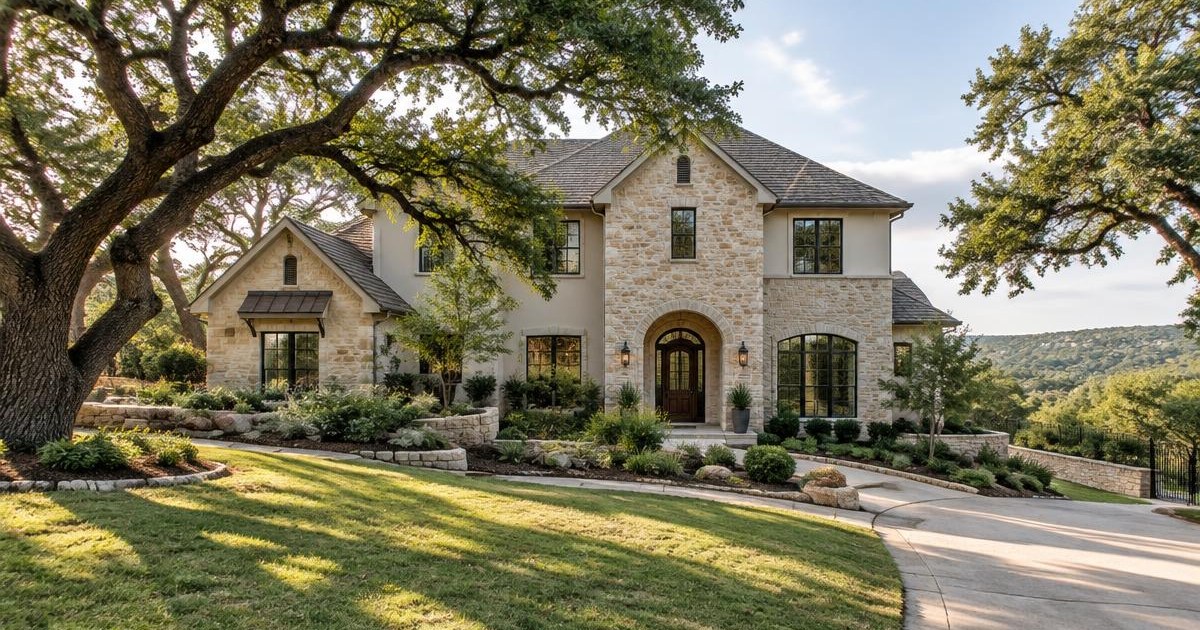
Airbnb Co-Hosting in Stone Oak: What Owners Should Know
Own a home in Stone Oak? How Airbnb co-hosting works there, the San Antonio STR permit and Type 2 limit, and why your HOA rules matter.

Can You Run an Airbnb in New Braunfels? What Owners Should Know First
New Braunfels controls short term rentals mostly through zoning, and its rules for homes in residential neighborhoods are much stricter than San Antonio's. Here is the plain version.

Airbnb Co-Hosting in Boerne, TX: What Owners Should Know Before You List
Boerne has its own short term rental rules, separate from San Antonio's. Here is what the city requires and where a co-host fits in.